Designing Cryptid Chronicles
Cryptid Chronicles is a single-player simulation vertical slice where the player takes the role of the world's first cryptozoologist as he undertakes a daring journey to the lair of an esoteric creature. Created for a Futuregames school project. Featured at SGA 2021!
Genre: Adventure Simulation
Time: 7 Weeks (2021)
Size: 9 Developers
Engine: Unreal 4.26
Game Length: 15-25 min
Awards: SGA Narrative Finalist

Cryptozoology: Pseudoscience that aims to prove the existence of animals whose existence is disputed or unsubstantiated.
Cryptid:
An animal whose existence is disputed or unsubstantiated.
My Contributions
Click underlined words to jump to that section!
Game Design
Narrative Design
-
Game Narrative
-
Content Design
-
World & Story Design
-
Character Design
-
Voice-over
I worked primarily on writing and recording the game narrative.
To increase the immersion factor, I lightly researched zoology and real-life cryptozoology to add a sense of realism to the narrative components. Learn more on the Narrative Design Page.

Design Pillars


Exploration
Trespass on the territory of a cryptid; navigate points of interest.
Cryptozoology
The gameplay and world support the prospects of a cryptozoologist.
Investigation
Stalk, study, and record all there is to learn of the Cryptid and its secrets.
Concept Creator
Cryptids represent the unknown. Sparking curiosity, wonder, and captures the imagination of both children and adults alike. The school provided each team with a theme - ours was "adventure simulation". What better experience to simulate than one we've all imagined for ourselves?
Inspired by:



Upon hearing a unique howl, the player grabs their tools, and takes off from the tent with the intent of tracking the call to adventure to its source. Trespassing further, the player will encounter the Cryptid in its territory. Now, the player must investigate the Cryptid's behavior and journal the findings. Once all is learnt, the player has completed the game.
Player Mechanics
Set in the 1930, the tools reflect what a cryptozoologist would realistically possess.
Hover over images below for a quick usage rundown:

Player Character - WASD to move; Mouse to look around; Shift to sprint; E to interact.

Journal - Documents and Retains Information learnt from studying the Cryptid.

Spyglass - Sightseeing; and Observing the Cryptid's behavior to document in Journal.

Map & Compass - Navigation; and uncover the lay of the land as the player explores further.
Encounter Design
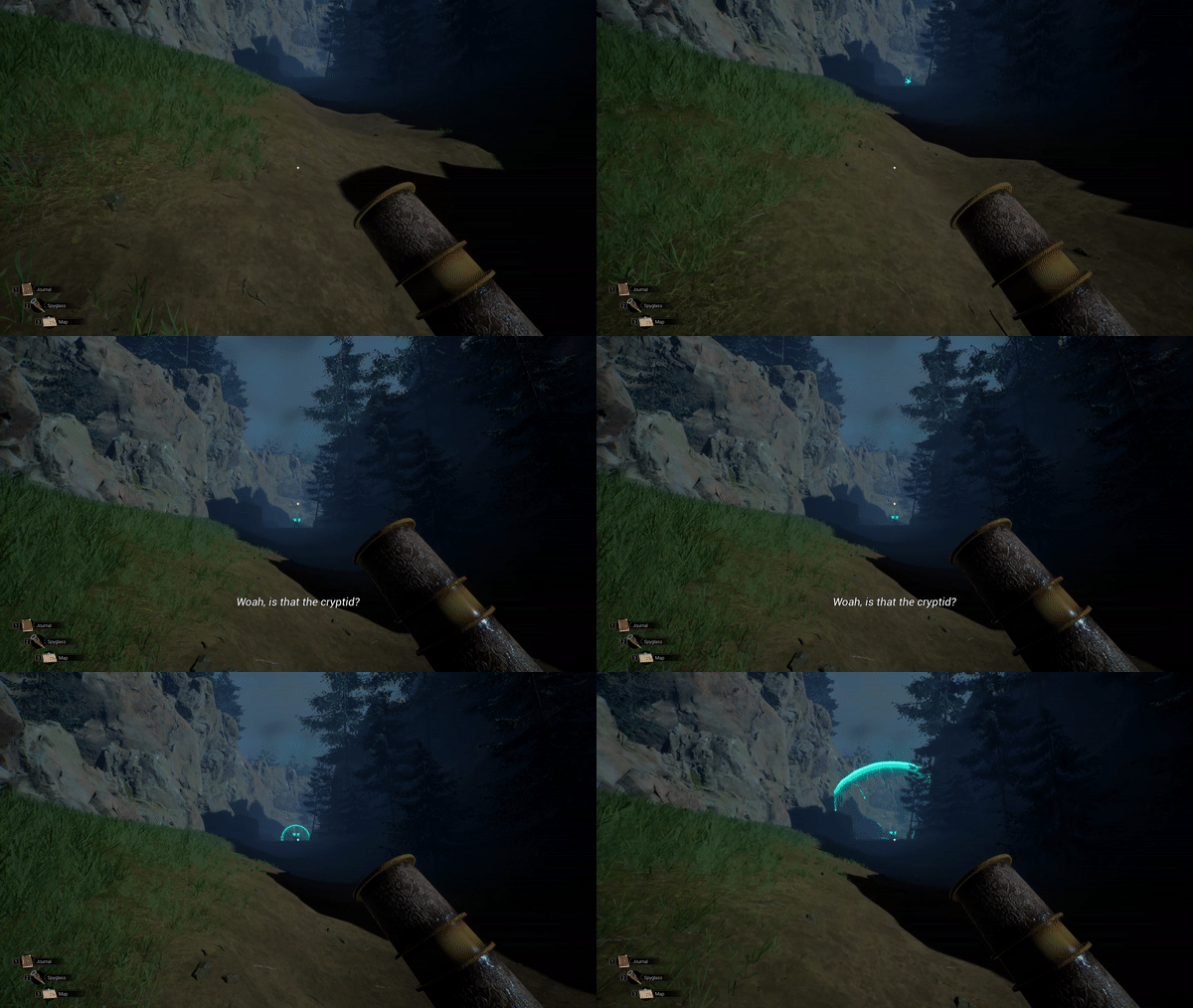
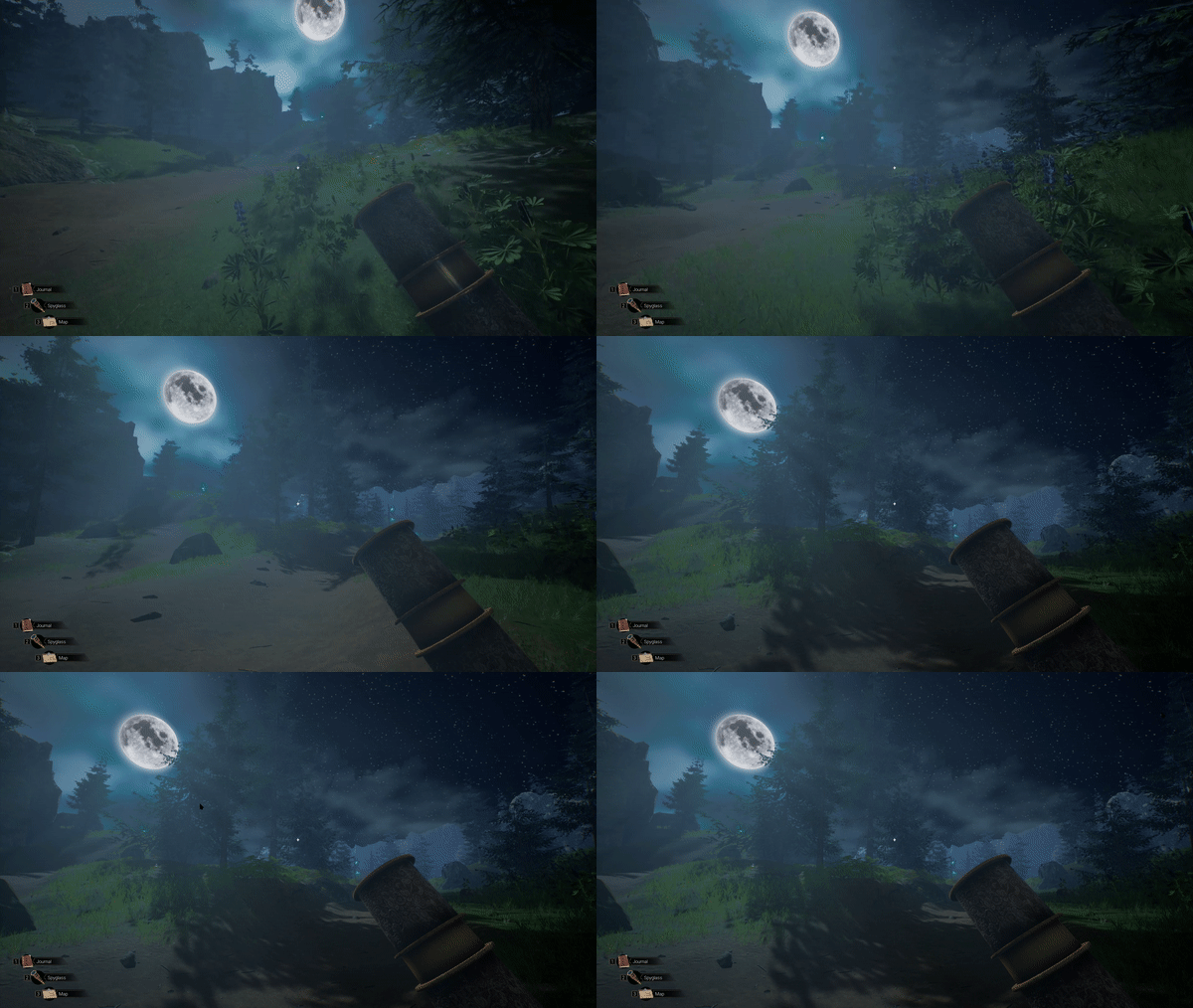
Coming across a cryptid should make one feel a mix of emotions, such as excitement, curiosity, fear, awe, etc. The first minute of the game teases the Cryptid, pulling the player towards the first encounter. The build-up is outlined in the tutorial level below:

Thaddeus hears the howl of the Cryptid, picks up his gear, and heads out.
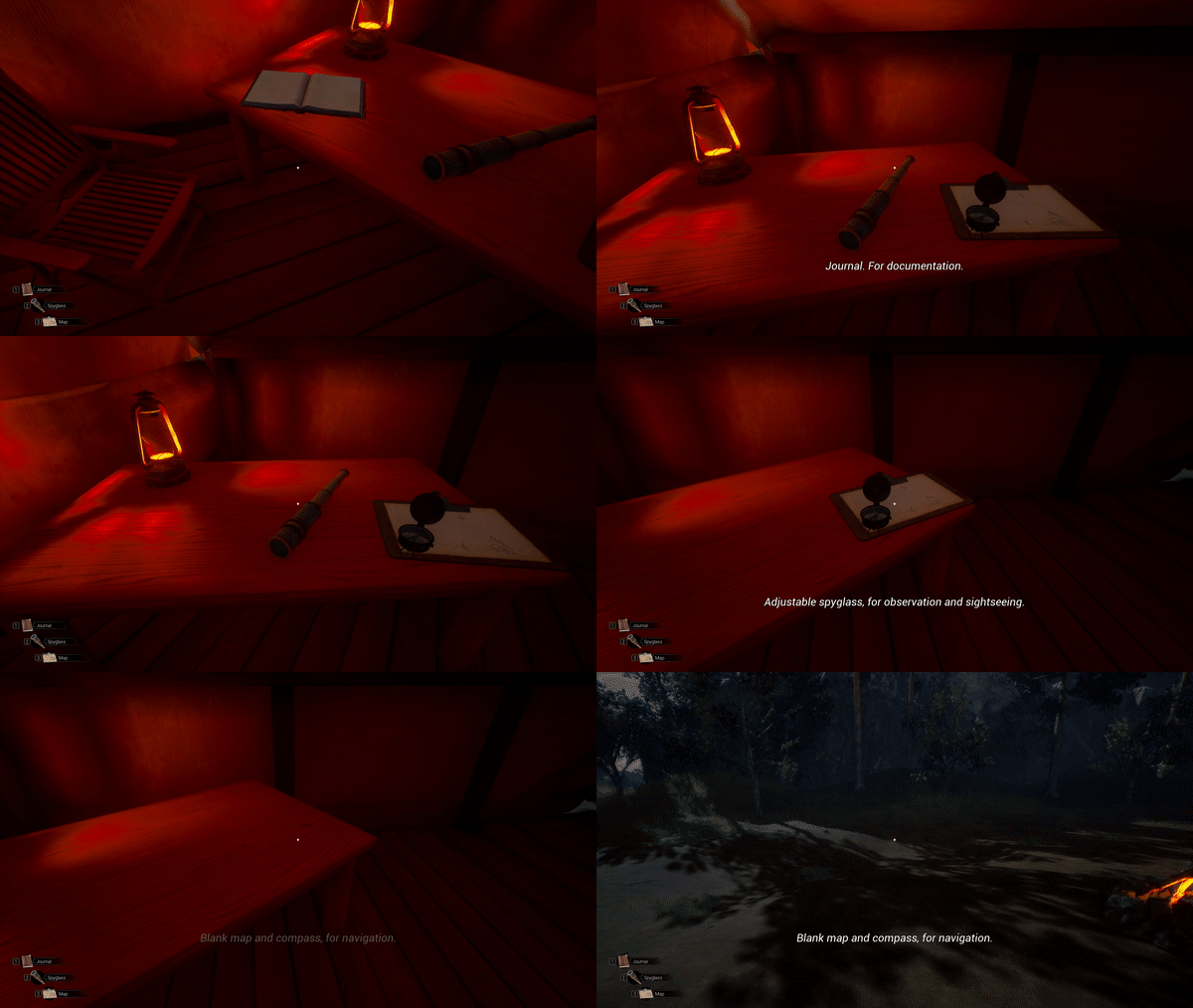
Thaddeus prompts the player to use the Spyglass on the high ground.
Thaddeus comments on the runestones, and that interacting with them reveals parts of the map.
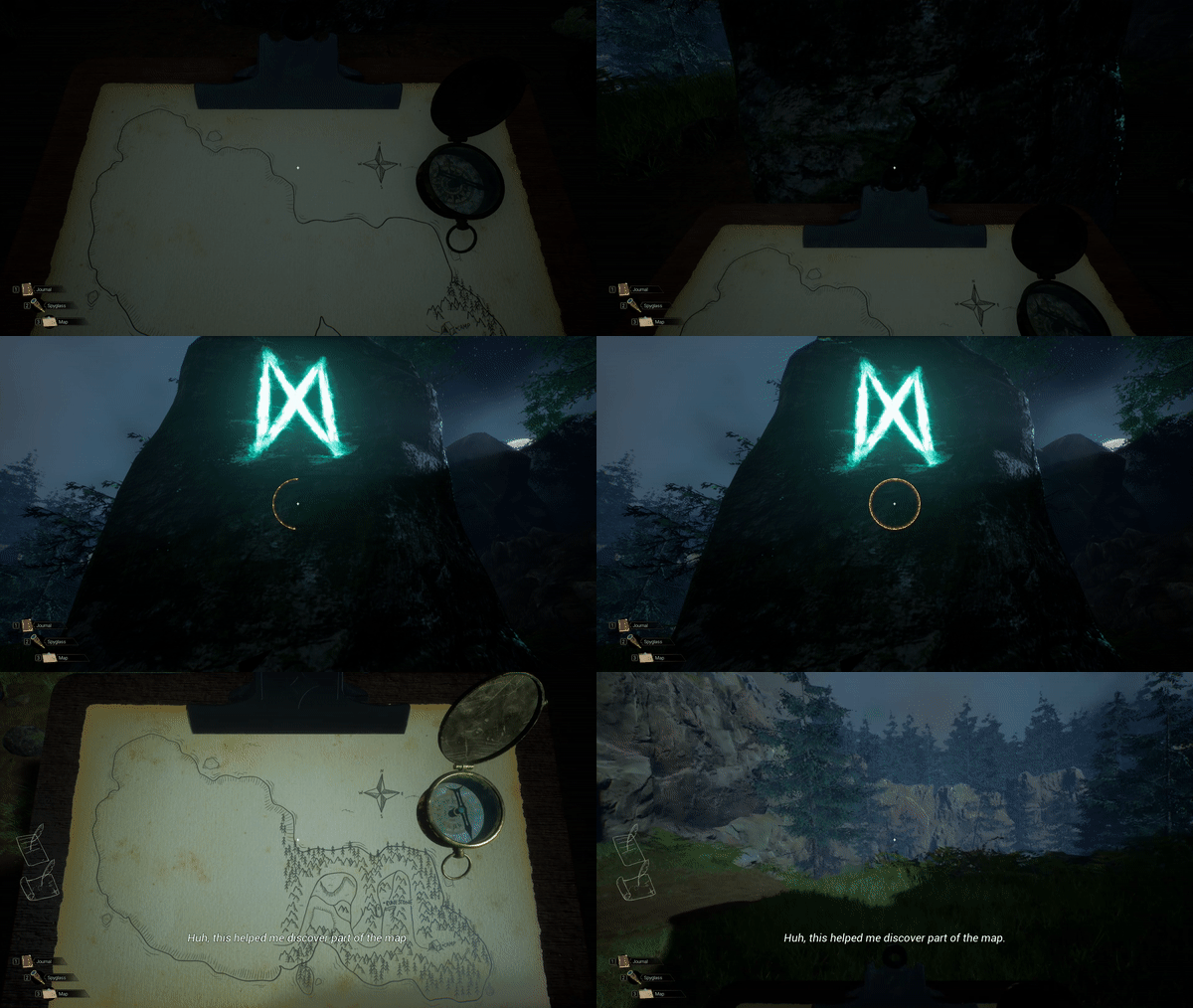
Hover over the numbers to learn more!
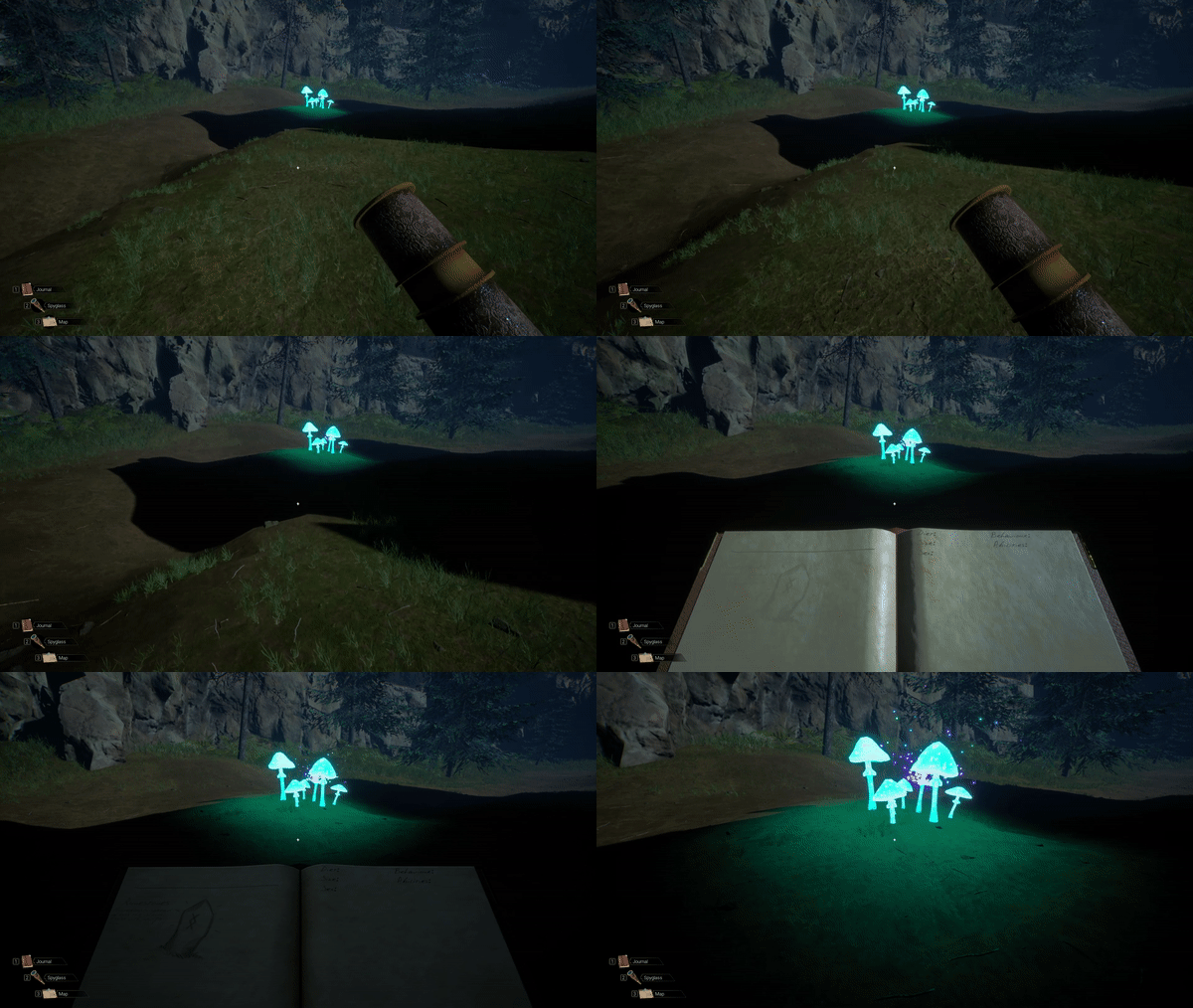
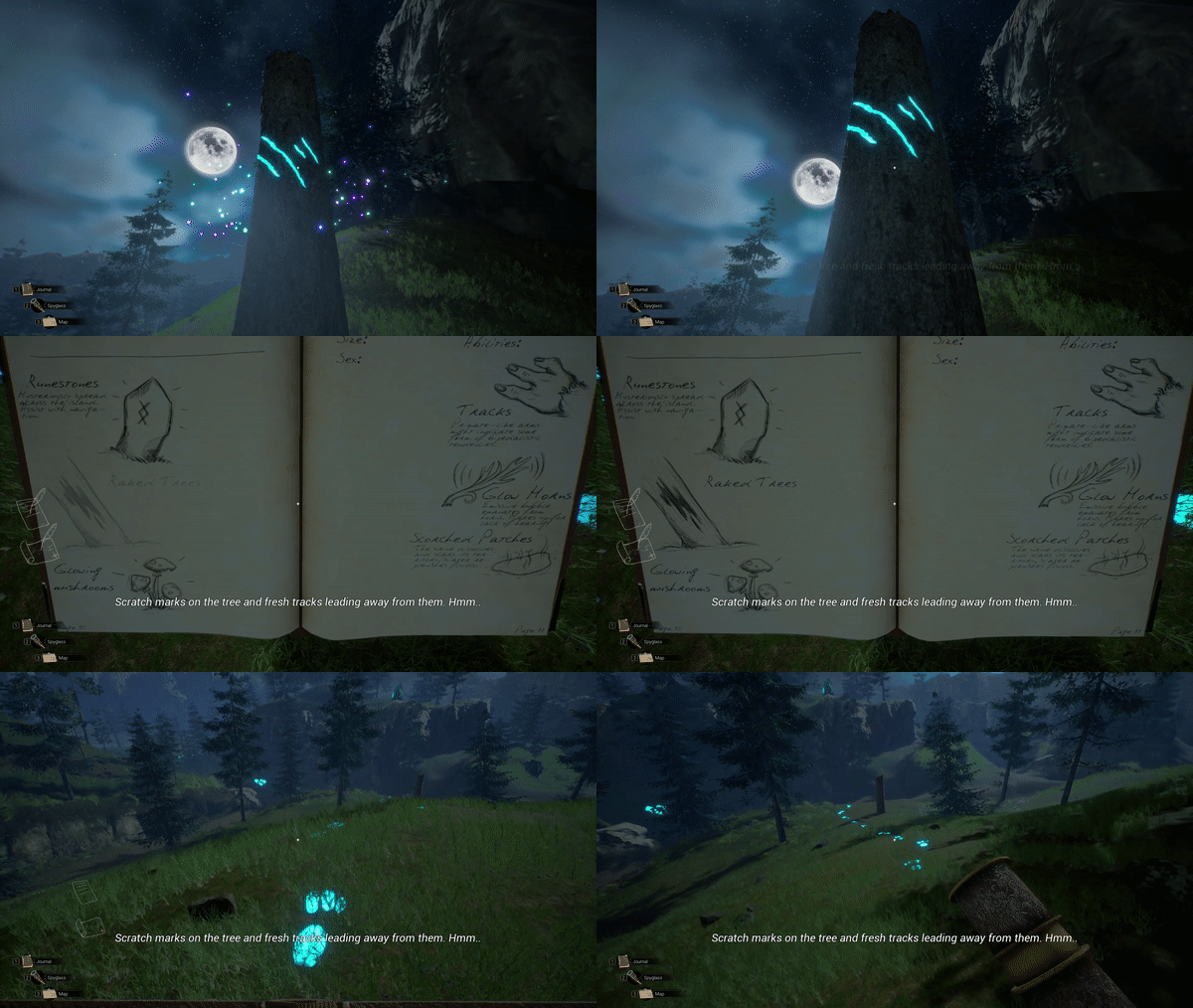
Thaddeus discovers his first clue. Interacting with it reveals tracks leading off somewhere...
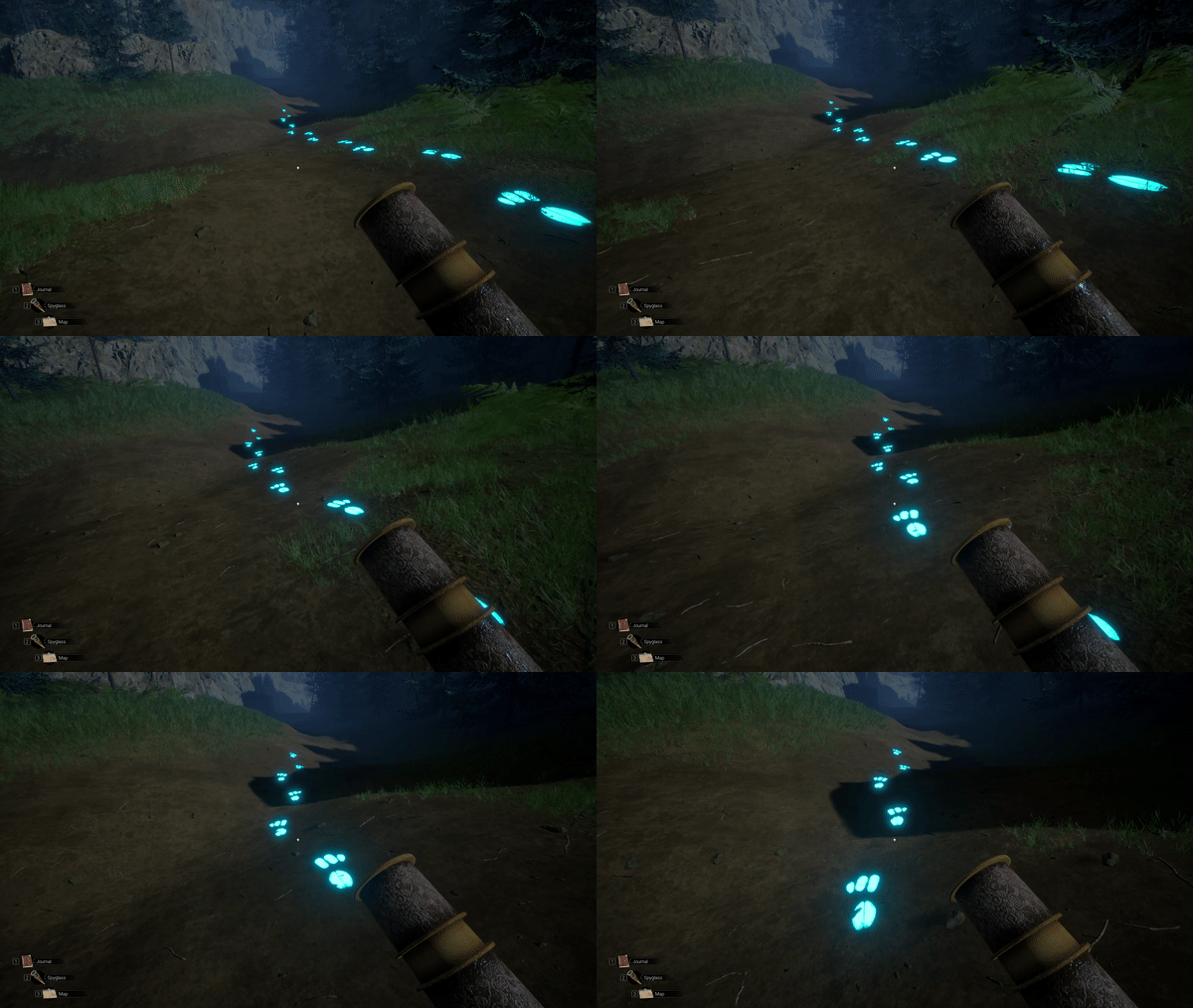
Following the tracks leads the player closer to their first encounter with the Cryptid.
The Cryptid appears. From afar, it emanates a spectral pulse before phasing away.
The Cryptid delves further into its territory. The player has no option but to follow.
Main Level Encounter Loop
Following the Cryptid deeper into the island opens up the main game loop. Here, the player must find clues, trigger the revealing of tracks, and observe the corresponding behavior displayed by the Cryptid. One of four examples is displayed below:
Interacting with a sparkling clue reveals tracks and prompts Thaddeus to say a voice line.
If the player fails the loop, they can return or interact with an identical clue to re-trigger the loop.

Upon successfully inspecting the behavior. A conclusive voice line will play as an entry is made in the journal.
No other clues of the same type can trigger once one has is completed.
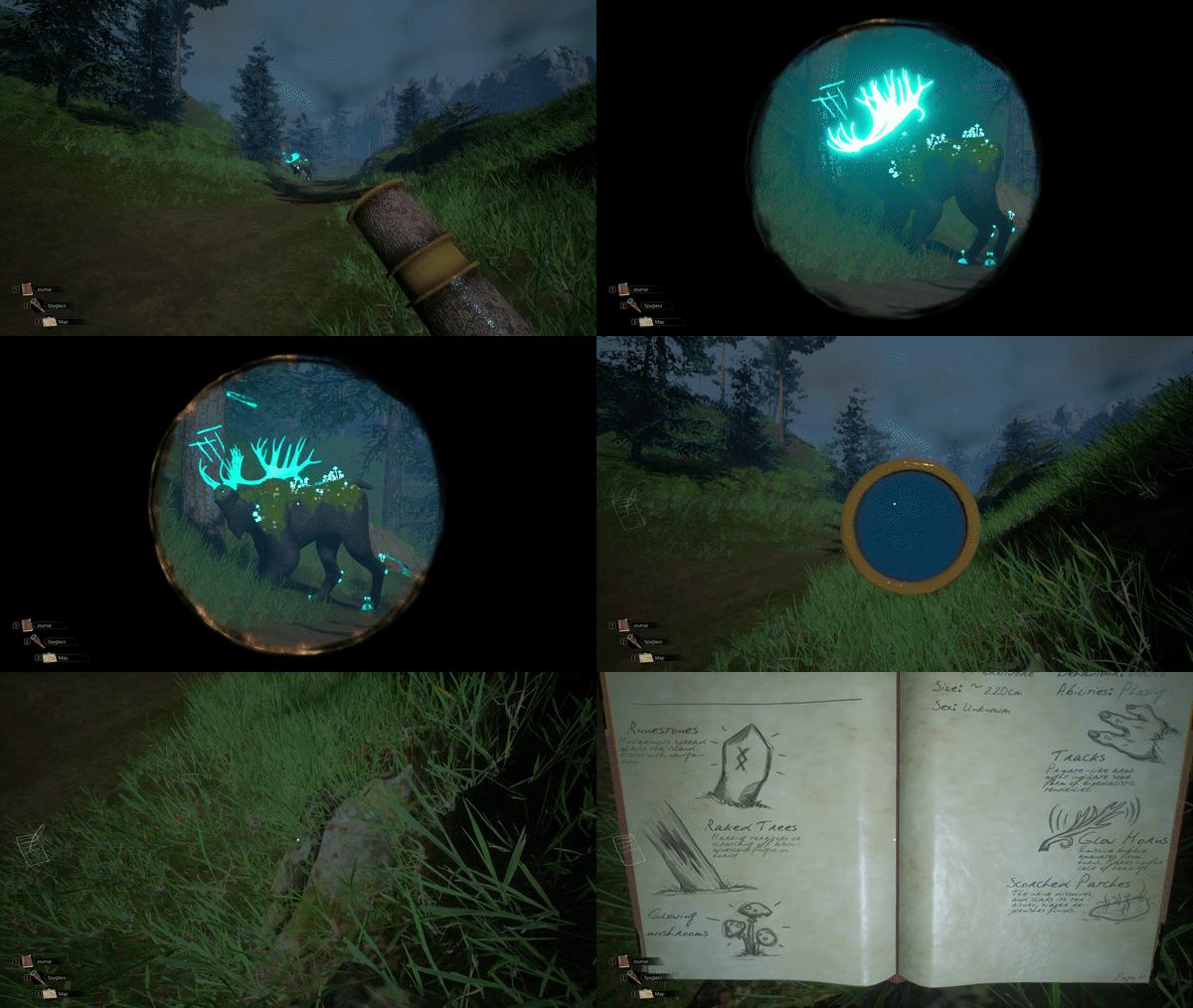
Following the tracks takes the player to an activity zone. This is where the Cryptid is performing a corresponding behavior to the clue found.
The tracks disappear after a minute, giving the player plenty of time to follow them at their own leisure.
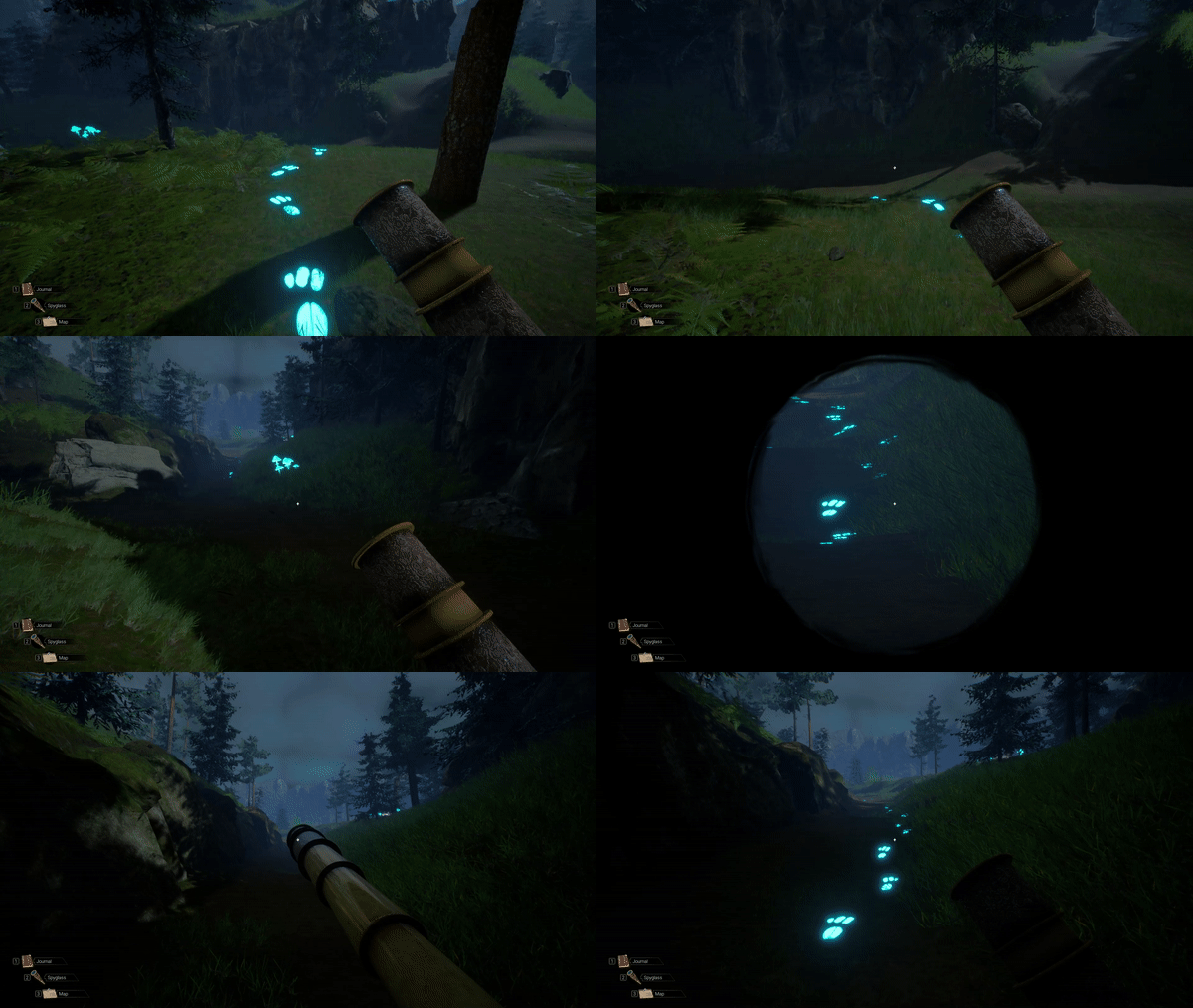
The Cryptid flees if it detects the player. This is considered a failed loop.
To restart the specific encounter, the player must find a new or old clue of the same type.
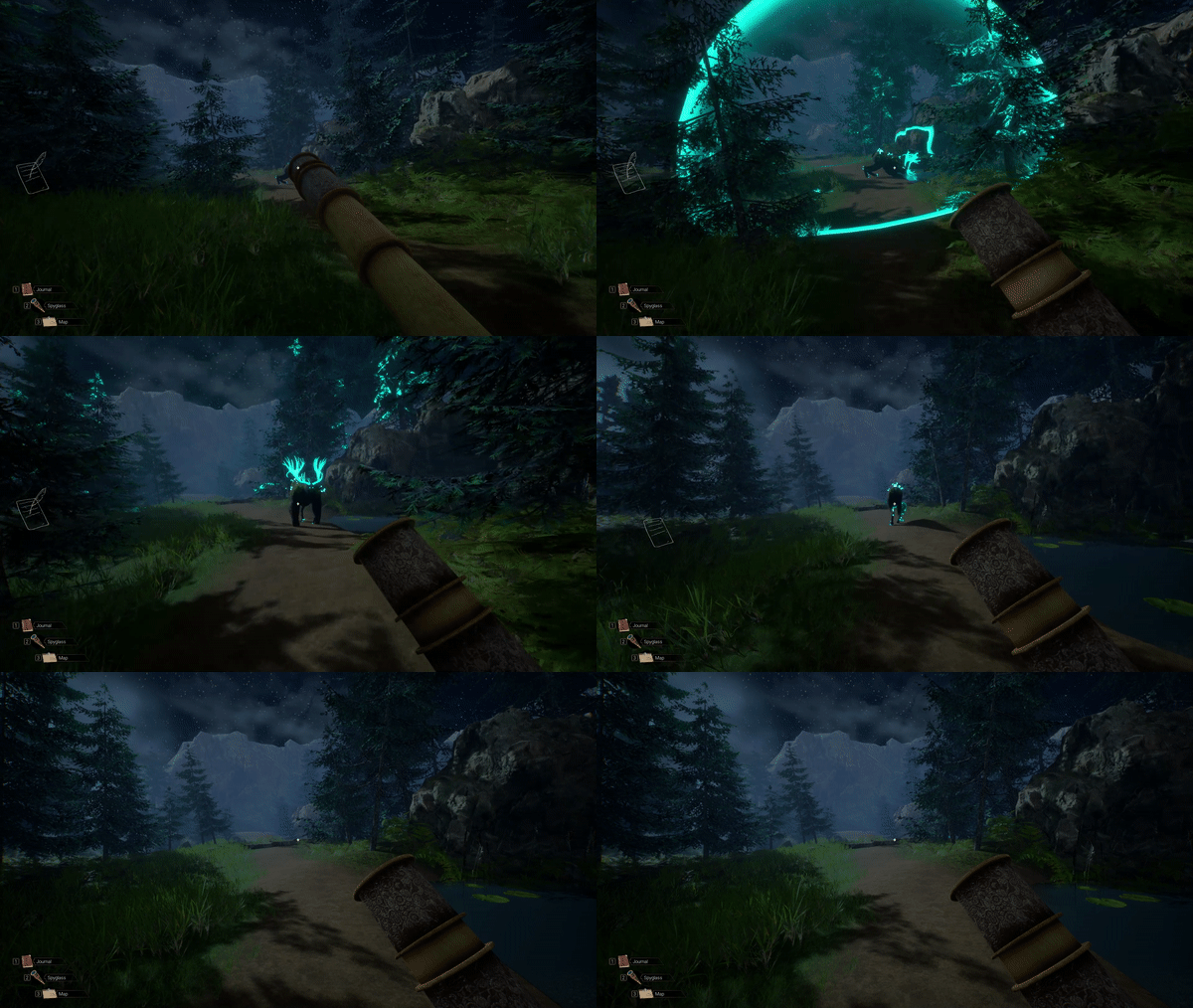
Hover over steps to learn more!
The Cryptid peacefully disappears as it finishes its behavior.
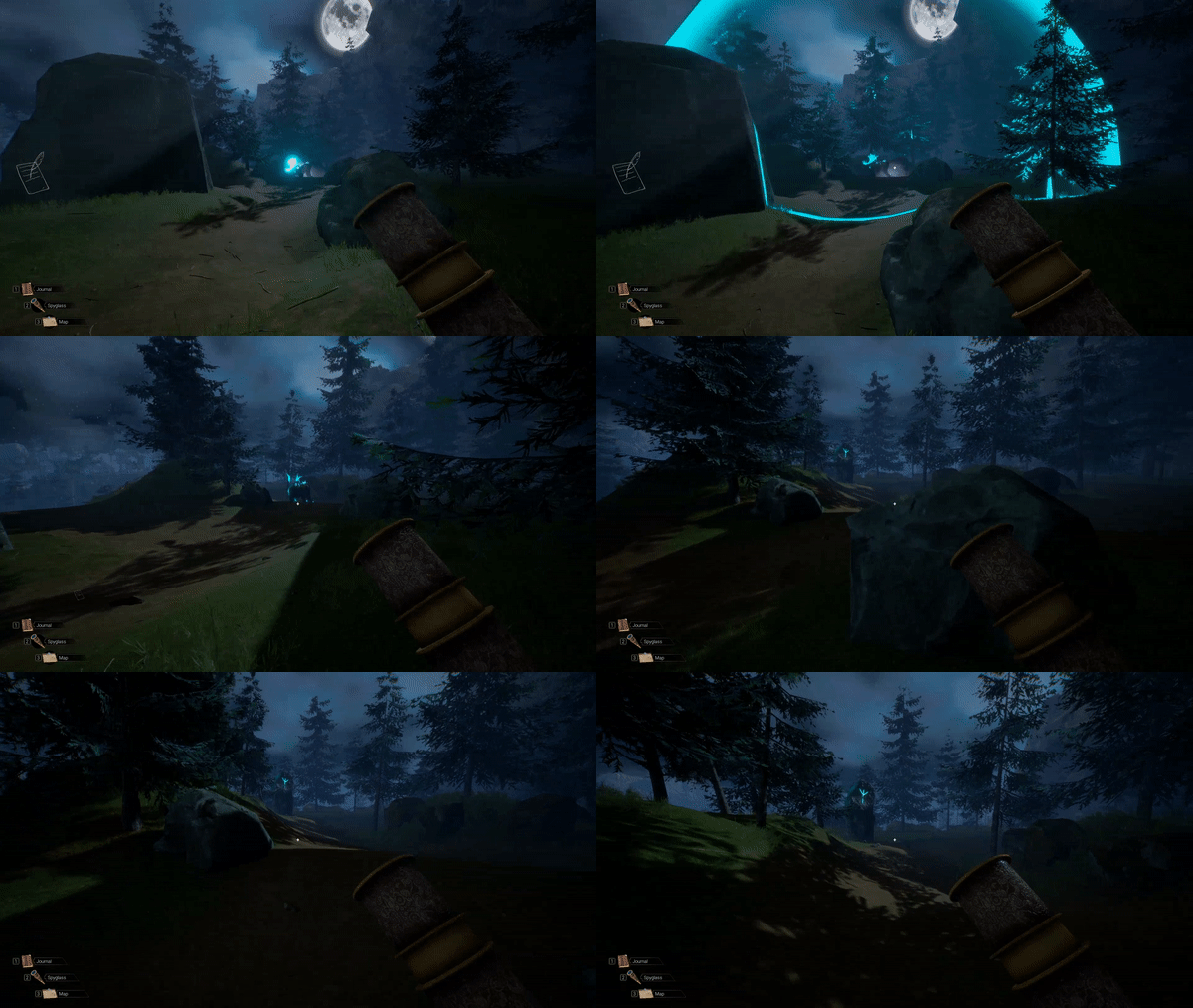
The four explorable clues are Raked Trees (as seen above), Scorch Earth, Glowing Mushrooms, and Feces. The game ends once all four loops are completed. Unlocking the full journal page of the Cryptid.

Full map above. Displays the location of each clue, runestone, and point of interest.
AI Design
The first encounter with the Cryptid is hard-coded. In the Main Level Encounter Loop, an Unreal Engine 4 (UE4) Behavior Tree governs the Cryptid behavior. The Cryptid is a simple, docile creature with prey-tendencies. It posses two extraordinary abilities displayed below:
Sonar Horns
A pulse of light goes off each 6 seconds. The cryptid becomes hyper-aware of any movement within the radius. Unfamiliar with Thaddeus, the Cryptid only flees if it directly sees player movement. Used to defend itself from predators and nosey cryptozoologists.
Phasing
The Cryptid becomes ethereal; moving through the world unseen. A keen eye can sometimes spot glowing tracks left behind.
Settling on the Cryptid design, we quickly decided that it wouldn't be hostile. No death state in the game.
With one animator and 7 weeks, the development had to be streamlined. I designed the Sonar Horns & Phasing to give the Cryptid a touch of magic, and so we could easily layout and program a system for its activity on the map. Rather than a constant entity roaming the level.
UE4 Behavior Tree
Outlined below is the UE4 Behavior Tree. Below is the combined translation of script inputs and the Behavior Tree. Hover over any component with > to learn more about the triggers and nodes (condition, sequence, task) that controls the Cryptid's actions in the Main Level
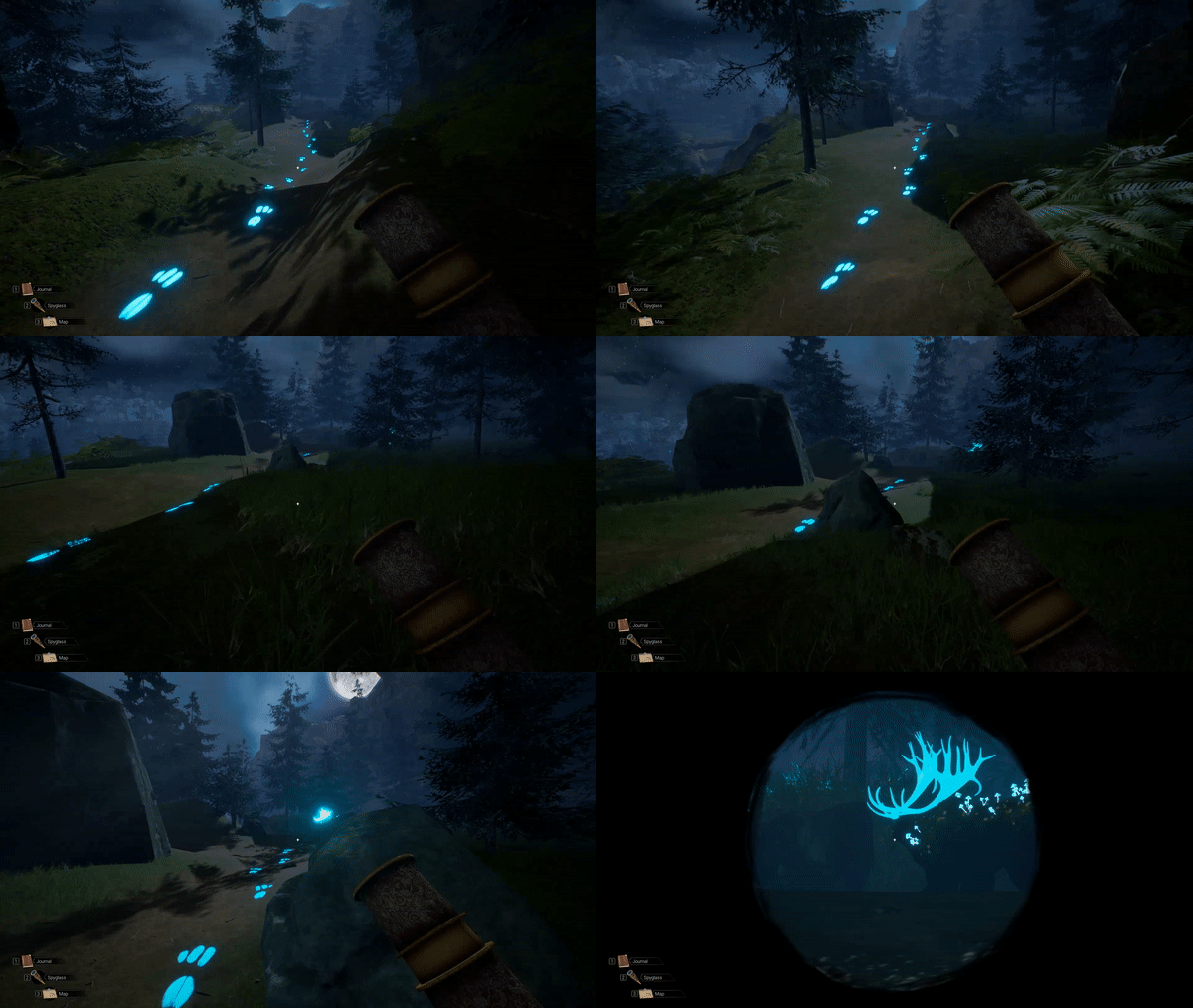
Following tracks, the player activates the Cryptid spawn.
Cryptid Spawns at unique location, behavior tree activates. Otherwise known as Root.
GIFs will Appear Here!
A Selector chooses what sequence to do next, left to right. Condition sequences only trigger if the condition is met.
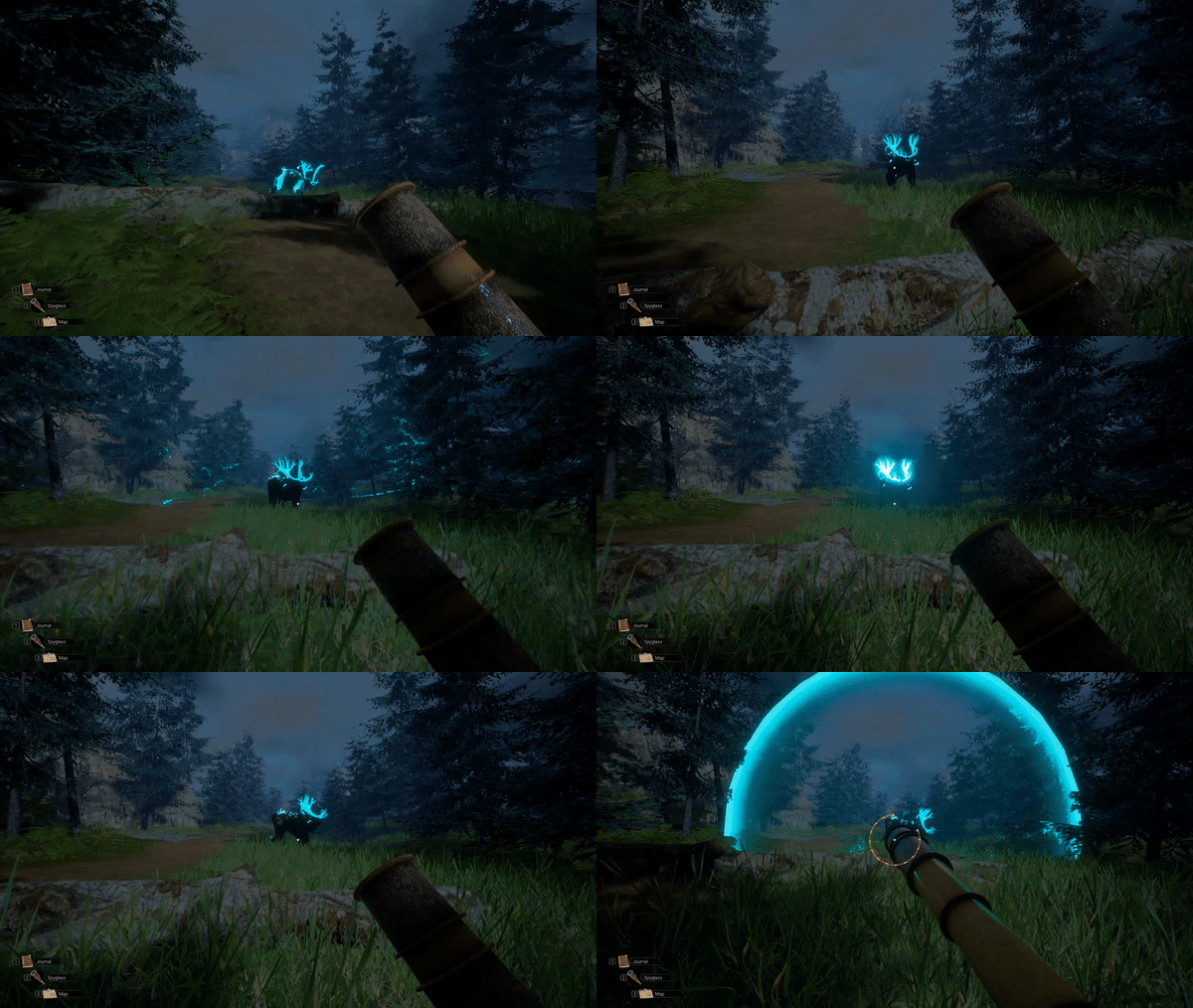
A separate script controls the Sonar Horns. It returns a true value if the player moves in the radius. Interrupting the Behavior Sequence.
The Cryptid will turn to the point of movement. If the player stays still, it will send another sonar out, before turning back to the Behavior Sequence.
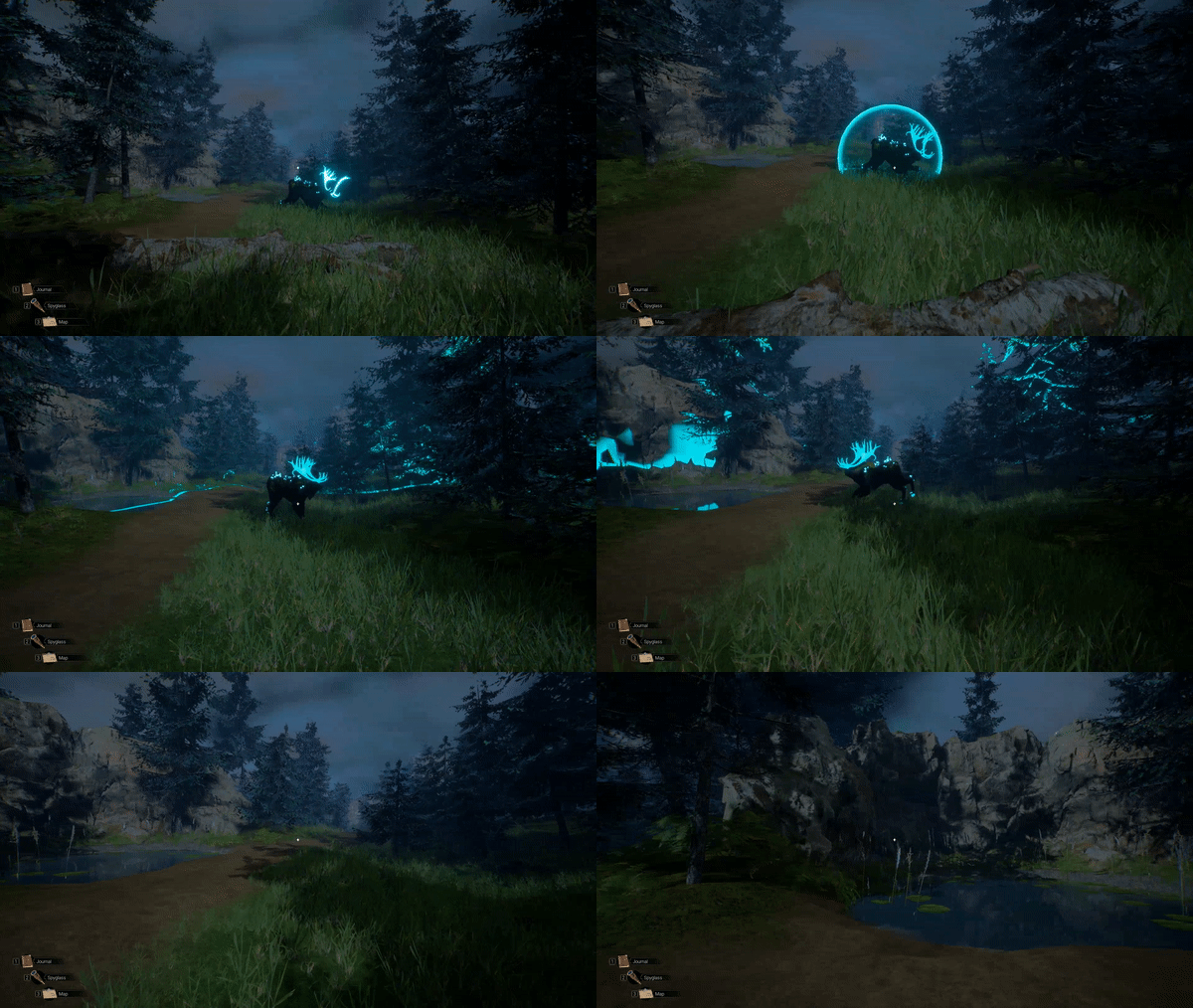
Moving in sight of the Cryptid will cause it to flee. Interrupting the Sonar Sequence.
First, it will create a Flee point behind it, turn to it while moving, and once it reaches it - phase away. Keeping the Cryptid mysterious and elusive.
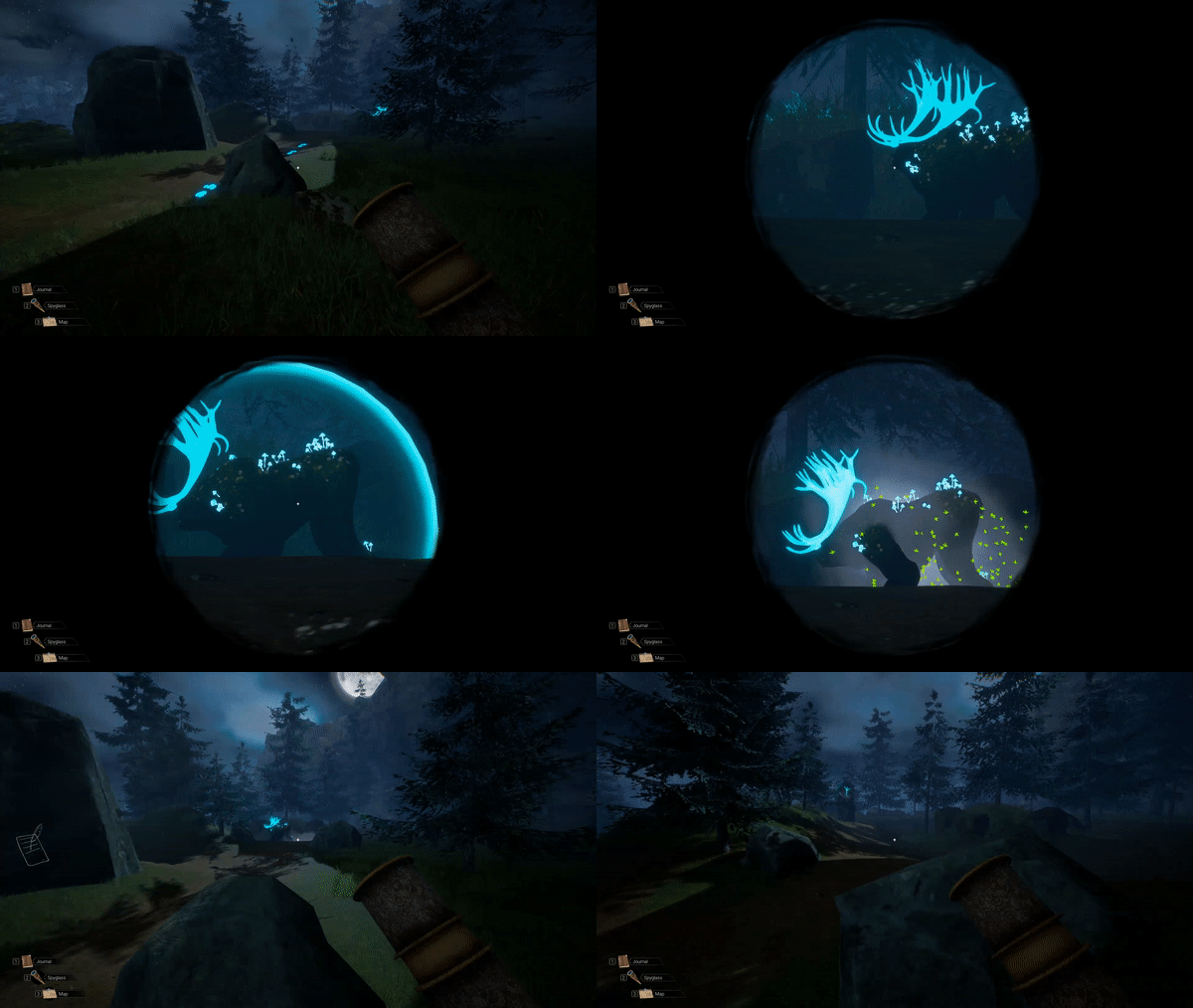
The full, undisturbed behavior of the Cryptid. Moving to a point, activating the animation, wait until completed, finish, and turn to a pre-determined exit point (typically away from where the player approaches). Once it touches the exit point it will Phase away.
Content Design
The Journal
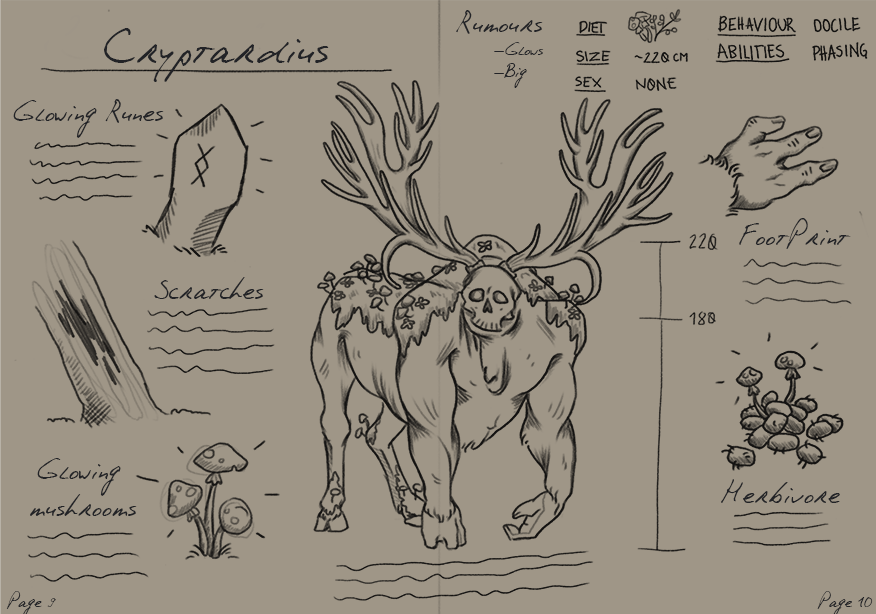
The journal fills up with relevant pictures and notes as the player records their findings on the Cryptid. Each Behavior from the Main Game Loop has a corresponding set of notes & sketches, and once the player finishes the game the final sketch of the Cryptid is revealed.


Hover to reveal completed journal.

Project Owner
As the project owner, I supported the team by keeping all members on track by developing a game vision, writing user stories, and updating documentation. All our work communication happened over Discord due to Covid restrictions, and the planning/mind-mapping occurred on Miro, a virtual whiteboard.